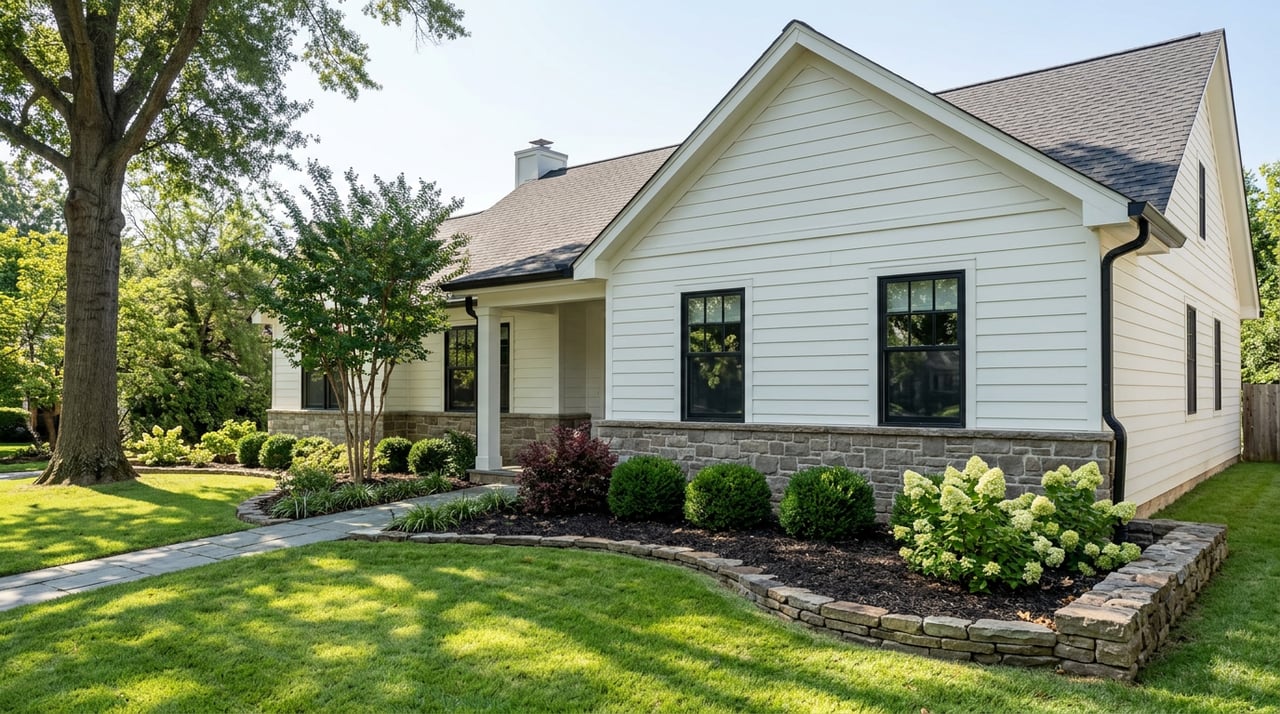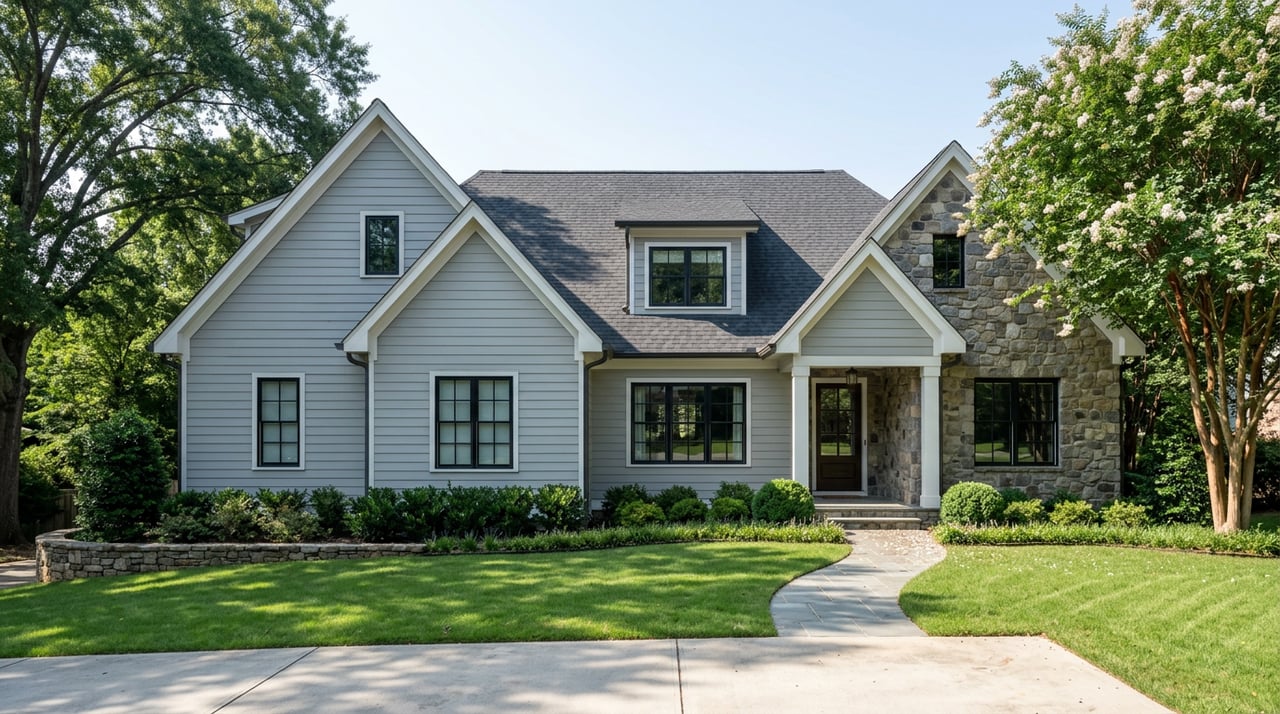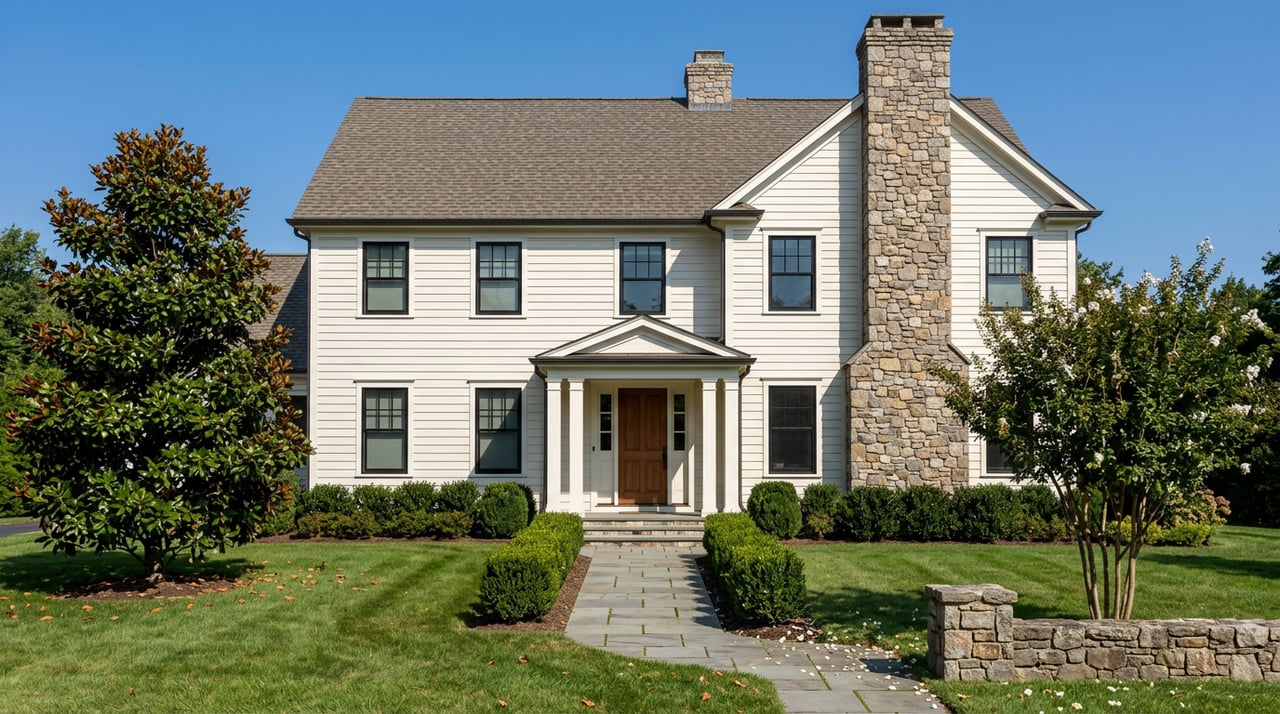
Two buyers toured Park South Station on the same weekend this year. One walked through a single-family home on Mount Clare Lane with an HOA fee of $122 a month. The other toured a townhome on Park South Station Boulevard with a fee of $280 a month. Same gate. Same clubhouse key fob. Same access to the pool, the fitness center, the dog park, and the entrance to the Little Sugar Creek Greenway. More than double the monthly bill.
If you assume HOA fees track amenities, that gap makes no sense. Both buyers were paying for the identical resort package that Park South Station advertises to everyone who walks through the gate. The explanation has nothing to do with what the community offers and everything to do with who is contractually responsible for keeping a roof over your head.
The gate is the same. The bill is not.
Park South Station was built out by two production builders, Ryan Homes and Pulte, across a mix of townhomes and detached single-family homes on the same footprint, all sharing one HOA. That shared structure is exactly why the fee split is worth understanding before you write an offer on either product. A single-family buyer here owns the roof, the siding, the gutters, and the yard, and carries the insurance and repair bill for all of it. The HOA fee on that side of the community exists almost entirely to fund the shared stuff: pool maintenance, landscaping on common ground, the gate itself, the clubhouse.
A townhome buyer in the same neighborhood hands a chunk of that responsibility to the HOA. Exterior maintenance, much of the structure, and often a slice of insurance coverage on shared walls and roofs get folded into the association's budget. That's why the townhome fee runs materially higher. You're not paying more for the pool. You're paying the HOA to be your roofer, your landscaper, and in some cases your insurance carrier for anything outside your own four walls.
The pattern holds across Charlotte, not just here
Park South Station's split isn't an outlier. Across Charlotte, single-family HOA dues, where they exist at all, typically run somewhere in the $0 to $135 a month range, largely because the fee only covers shared amenities and common ground. Townhome HOA dues in the same city typically land between $165 and $325 a month, because the association is underwriting exterior maintenance and reserve funding that a single-family owner handles out of pocket. Park South Station's $122 and $280 examples sit right inside those citywide bands. That's the tell that this isn't a quirk of one HOA board's budget. It's the standard shape of the deal whenever a community mixes both product types under one gate.
Here's what that split actually buys on each side:
| Single-family HOA fee (~$122/mo) | Townhome HOA fee (~$280/mo) | |
|---|---|---|
| Roof and siding | Owner's responsibility and expense | Bundled into HOA reserves |
| Yard and landscaping | Owner maintains own lot | Often HOA-maintained common green space plus small owned yard |
| Shared amenities (pool, clubhouse, gate, greenway access) | Included | Included |
| Exterior insurance exposure | Owner insures full structure | Partially covered by HOA master policy |
| Who absorbs a bad hailstorm | The homeowner, directly | The HOA reserve fund, indirectly through dues |
Price and speed tell a related but separate story
Over the past year, single-family homes in Park South Station sold for between $560,000 and $770,000, going under contract after a median of just 17 days on the market. That's a fast-moving, tightly held slice of inventory. Only two townhomes sold in that same window, at a median price of $485,000, taking a median of 27 days to go under contract. That's a thin sample, and it's worth treating that median with some caution rather than as a settled fact about the townhome side.
The more useful current snapshot: as of this fall, 17 townhomes are actively listed in Park South Station at a median list price of around $465,000, and homes in that segment have been sitting for a median of about 40 days. Put the two windows together and a pattern emerges. Single-family inventory in this neighborhood is scarce and quick to move. Townhome inventory is more plentiful and moves at a more ordinary pace. That's consistent with the fee structure. The lower-fee, self-maintained product is the one buyers are competing hardest for. The higher-fee, maintenance-included product gives buyers more room to shop.
How to actually compare the two products
The mistake buyers make touring Park South Station is comparing the two HOA numbers on the listing sheet and treating the lower one as the better deal. That's like comparing two job offers by base salary alone and ignoring benefits. The fee is only one line in a longer cost equation. To compare fairly, run the full monthly picture for each option:
- Mortgage payment at the actual purchase price, since single-family homes here run higher on average
- HOA dues, which is the number everyone stops at
- Homeowner's insurance, where a single-family owner typically insures the full structure and a townhome owner typically carries a lighter HO-6 policy because the HOA's master policy covers more of the building
- A personal maintenance reserve for the single-family side, since that owner will eventually face a roof, a fence, or an HVAC system with no HOA fund standing behind it
- Time. Yard work and exterior upkeep on a detached home take hours a month that a townhome owner mostly gets back
Run those five lines side by side for a specific single-family listing and a specific townhome listing, and the $158 gap in monthly dues often shrinks or disappears once you account for what each buyer is actually on the hook for outside that line item.
What this means if you're choosing between them
If you want a hands-off lifestyle and you're comfortable paying more each month so a professional maintenance chain handles your roof and siding, the townhome side of Park South Station is doing exactly what it's designed to do. If you'd rather manage your own exterior, build your own reserve on your own terms, and are willing to compete a little harder for scarcer inventory, the single-family side rewards that with a much lighter monthly fee and a track record of moving fast.
Neither is the better deal in the abstract. They're two different arrangements for who carries maintenance risk, priced accordingly, and Park South Station happens to offer both inside the same gate, which is what makes it a useful place to see the mechanism clearly.
A few quick questions
Does the lower single-family fee mean weaker reserves for shared amenities? Not necessarily. Both product types draw on the same HOA for pool, clubhouse, and gate upkeep. The lower single-family fee reflects a narrower scope of responsibility, not a smaller shared budget.
Should a buyer expect the townhome fee to keep climbing? HOA dues generally rise over time to keep pace with insurance and vendor costs, and that pressure applies more directly to the townhome side here since more of the physical structure sits inside the association's budget. Reviewing the HOA's recent budget and reserve study before writing an offer is the way to see where that fee is headed rather than guessing.
Is one product a safer long-term hold than the other? The past year's data shows single-family homes here moving faster and holding a tighter price band, while townhomes offer more available inventory and more time to negotiate. That's a liquidity difference, not a verdict on which is the smarter buy for a given household.
If you're weighing a single-family home against a townhome in Park South Station, or trying to figure out what a specific HOA fee actually covers before you make an offer, Carolinas Real Estate Partners can walk through the numbers on both sides with you. Request a Home Valuation to start with a clear picture of what your current home could bring toward whichever side of the gate fits how you want to live.