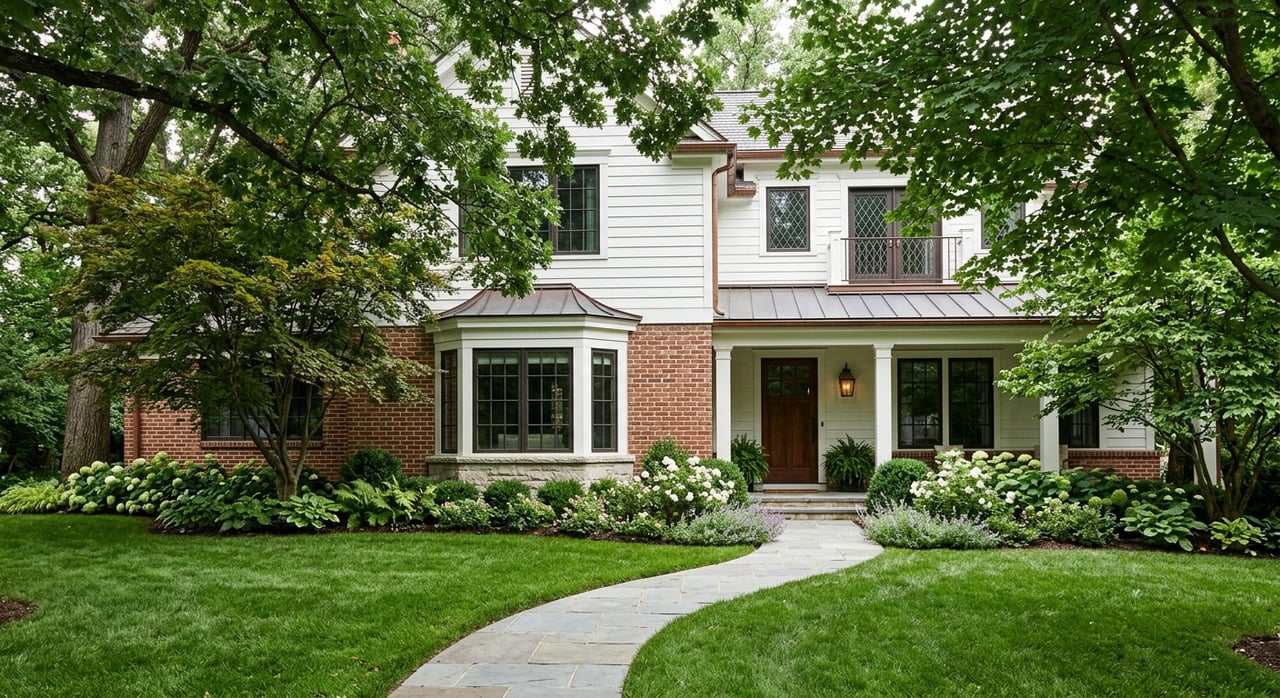
If you have ever driven into Providence Plantation and felt the pace change, you are not imagining it. This south Charlotte neighborhood has a distinct feel that comes from mature trees, established homes, and a strong sense of resident involvement. If you are wondering what gives the area its lasting appeal, this guide will walk you through the details that shape daily life here. Let’s dive in.
Providence Plantation feels established
Providence Plantation sits about 11 miles south of uptown Charlotte, but it does not feel rushed or overly built up. According to the neighborhood HOA, the community includes more than 1,400 single-family homes, many on large lots with mature trees. That combination creates a setting that feels rooted and spacious rather than new and uniform.
The neighborhood’s history helps explain that feeling. Official neighborhood history materials say marketing began in the late 1960s, and the original neighborhood was built over 16 years. From the start, the vision was a wooded, uncrowded residential setting that stayed close to city shopping and cultural amenities.
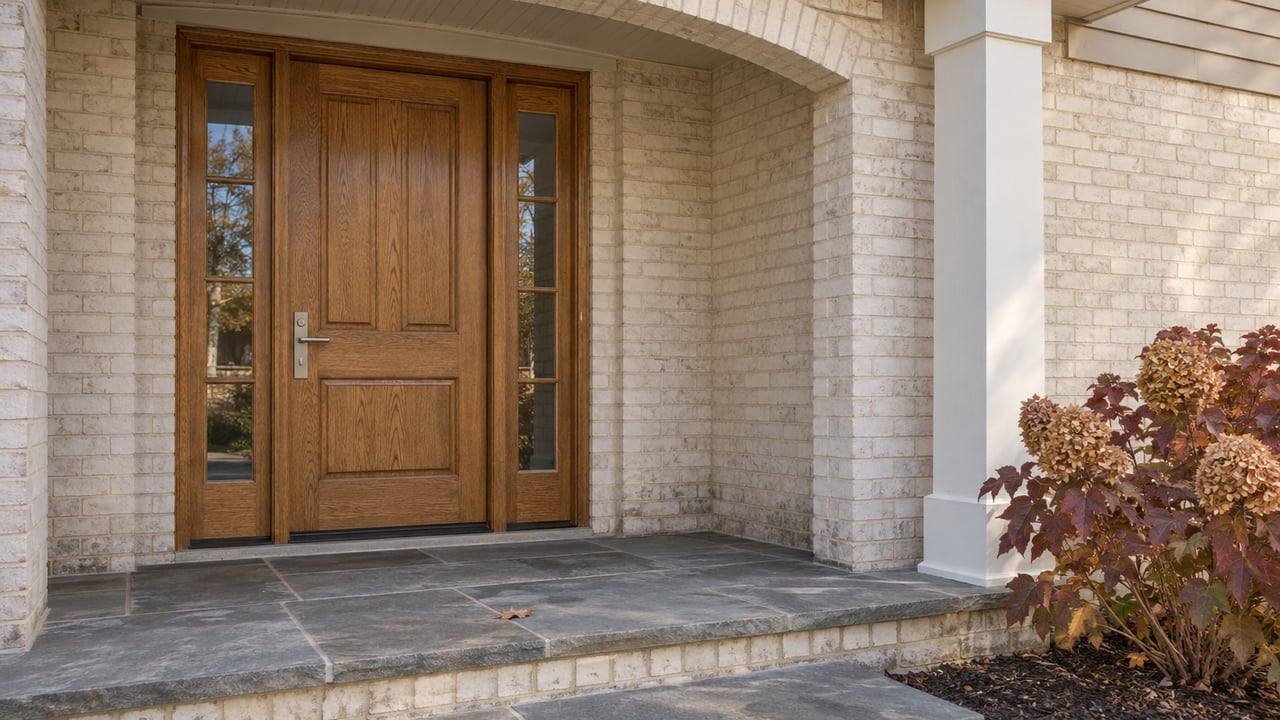
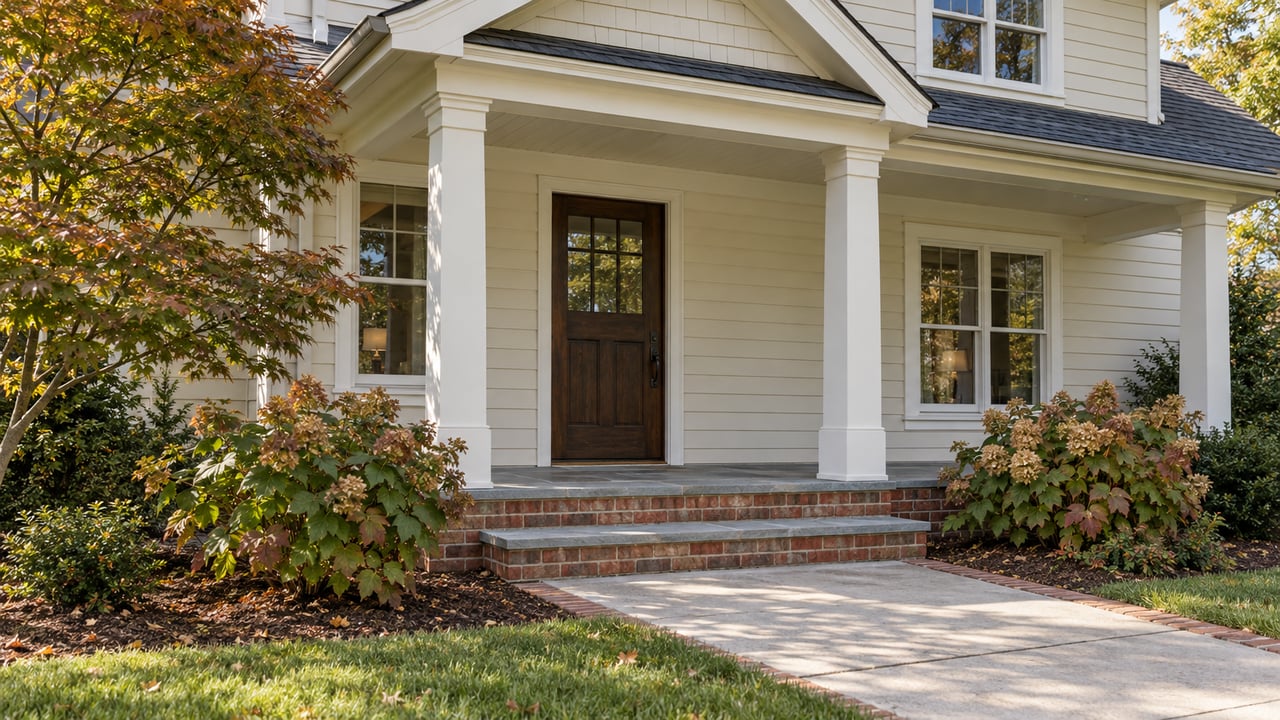
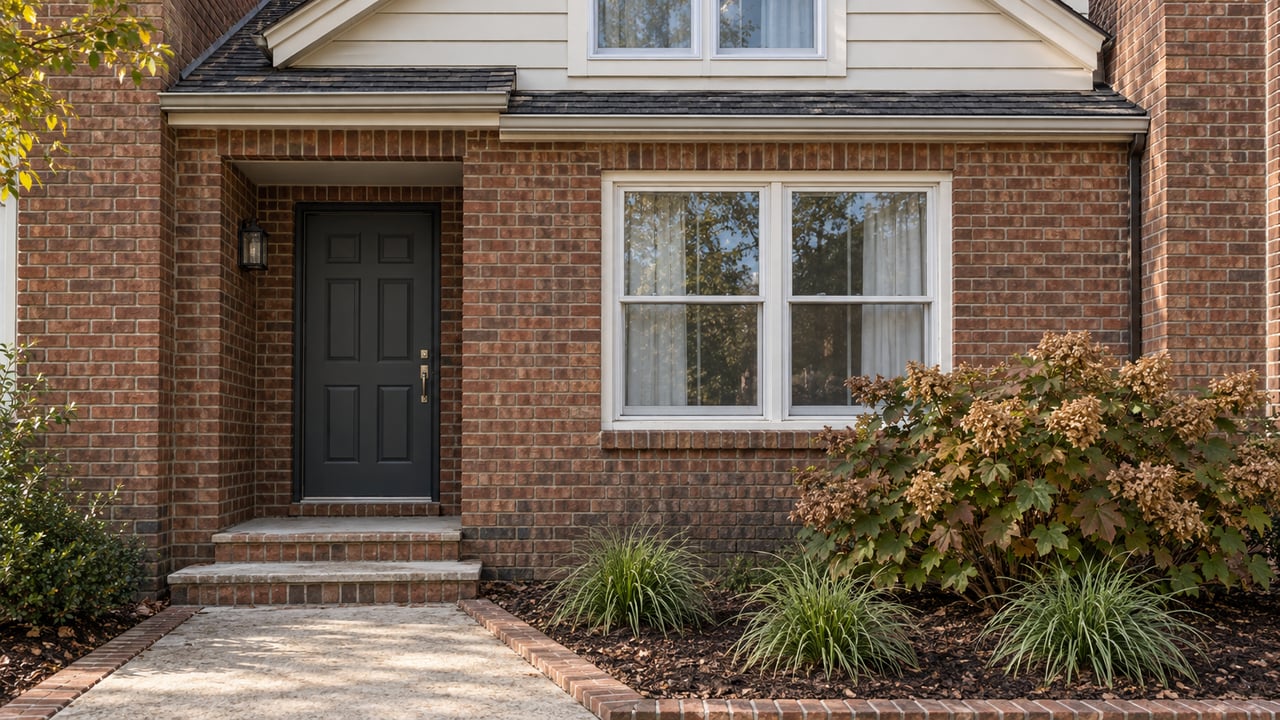
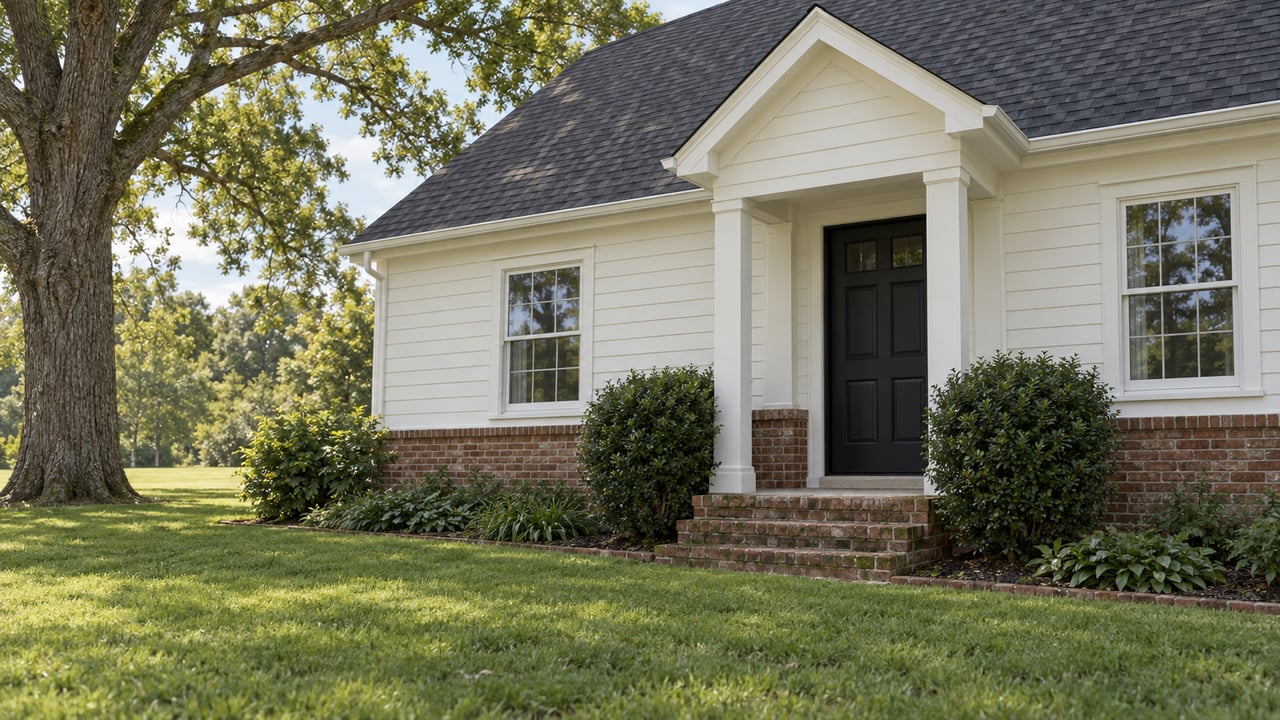
That early planning still shows today. You can see it in the canopy, the lot sizes, and the variety of home styles throughout the neighborhood. The housing stock ranges from 1970-era homes to new construction, which gives the area a layered, lived-in character.
Large lots and trees shape the experience
One of the first things many buyers notice about Providence Plantation is the landscape. The lots often feel generous, and the tree cover adds privacy, shade, and visual depth. In a market where many newer communities can look similar from one street to the next, that natural setting stands out.
The neighborhood does not lean on a single home style or one narrow era of construction. Instead, you will find a mix of older homes and newer builds. For buyers, that can mean more options in layout, updates, and architectural feel.
For sellers, this variety can also be a strength. Buyers shopping in Providence Plantation are often drawn to the setting as much as the house itself. The sense of space and maturity around each home becomes part of the value story.
Resident involvement gives it energy
A neighborhood can look beautiful and still feel disconnected. Providence Plantation stands out because the social fabric appears to be active and well supported. The HOA was incorporated in July 1977 and now represents more than 1,440 families.
The HOA structure is also worth understanding. Membership is non-mandatory, and annual dues are $80. Those dues fund entrance maintenance, plantings, newsletters, weekend-night security patrols, and a homeowners directory, while the HOA also maintains an email list with more than 1,300 families.
That level of organization helps explain why the neighborhood often feels connected rather than anonymous. It supports communication, shared upkeep, and regular ways for residents to stay informed. Even small systems like newsletters and directories can make a large neighborhood feel more personal.
Neighborhood clubs create real connection
Providence Plantation also has a wide range of resident groups that add to its identity. The HOA says the neighborhood offers seven neighborhood clubs plus the Providence Planters Garden Club. The social-club list includes book club, bridge, bunco, play groups, supper club, hiking, cookbook, and wine tasting.
That kind of variety matters because it gives people multiple ways to plug in. Some residents may want a casual social outlet, while others may prefer outdoor activities or smaller shared-interest groups. A neighborhood often feels special when it offers more than a place to live, and this is a good example of that.
The HOA also notes that families often move within the neighborhood when they are ready for a change. That is a meaningful signal of long-term attachment. It suggests that for many residents, the appeal is not just a single house but the broader experience of Providence Plantation itself.
The swim and racket club adds another layer
For many people, Providence Plantation is also known as a swim-and-racket neighborhood. That identity is closely tied to the Providence Plantation Racquet & Swim Club, which is separate and independent from the HOA. Membership in the club is voluntary.
The distinction matters if you are trying to understand how the neighborhood works. Joining the HOA does not mean joining the club, and club membership is not required. Still, the club plays a major role in how many residents experience the neighborhood.
Current club information highlights six tennis courts, a pool, socials, and a playground for members and their families. The club also includes a clubhouse, swim team, and tennis programming. That combination gives the neighborhood another built-in layer of recreation and social life.
Convenience stays close to home
Another reason Providence Plantation feels so livable is that it balances privacy with access. The neighborhood has a tucked-away residential feel, but everyday errands, dining, and shopping are still within easy reach. That is an important part of the appeal for busy households.
Two nearby destinations stand out in particular. Waverly, located at Providence Road and Ardrey Kell Road, describes itself as a mixed-use destination with more than 80 shops, salons, and restaurants. The Arboretum, at 8008 Providence Road, also says it has more than 80 shops, salons, and restaurants, with a mix of local and national retailers.
Those nearby centers help support day-to-day convenience without changing the neighborhood’s quieter character. You can enjoy a residential setting with mature landscaping and still stay connected to practical needs. For many buyers, that balance is exactly what makes a neighborhood feel sustainable over time.
Outdoor life is part of the culture
Providence Plantation’s appeal is not limited to its streets and homes. Outdoor recreation is part of the broader lifestyle around the neighborhood. Mecklenburg County describes greenways as linear parks that provide recreation, transportation, fitness, and economic benefits.
In south Charlotte, the Lower McAlpine, McMullen Creek, and Four Mile Creek greenway network stretches 7.3 miles from Highway 51 to Johnston Road and Rea Road. The network also includes connections to Park Road and Ballantyne Corporate Place. That gives residents access to a meaningful outdoor resource nearby.
The neighborhood’s own social-club listings also reference places like McAlpine Creek Greenway and McDowell Nature Preserve. That reinforces the idea that outdoor activity is not just a nearby amenity. It is part of how many residents spend their time.
Why Providence Plantation stands out
What makes Providence Plantation feel special is not one feature by itself. It is the way several factors come together at once. Mature trees, larger lots, varied homes, active resident involvement, optional club life, nearby conveniences, and outdoor access all shape the experience.
That mix can be hard to replicate. Some neighborhoods offer newer housing but less character. Others offer strong location benefits but lack the same visual maturity or long-term resident connection. Providence Plantation feels distinct because it delivers both setting and substance.
If you are buying, this is the kind of neighborhood where it helps to look beyond square footage and finishes. The street presence, the layout of the lots, and the neighborhood culture all matter. If you are selling, those same qualities can become part of a stronger, more thoughtful marketing story.
Whether you are relocating, moving up, or simply narrowing your search in south Charlotte, understanding what a neighborhood feels like is just as important as knowing the numbers. If you want expert guidance on Providence Plantation or other south Charlotte neighborhoods, connect with Carolinas Real Estate Partners for a polished, high-touch approach rooted in local market knowledge.
FAQs
Is the Providence Plantation swim club mandatory?
- No. The Providence Plantation Racquet & Swim Club is separate from the HOA and membership is voluntary.
Are homes in Providence Plantation mostly new construction?
- No. The neighborhood includes a mix of 1970-era homes and new construction, with many large lots and mature trees.
Why does Providence Plantation feel so social?
- The neighborhood has active resident involvement through the HOA, newsletters, directories, clubs, events, and optional swim and tennis club activities.
What shopping is near Providence Plantation in south Charlotte?
- Two key nearby shopping and dining destinations are Waverly and the Arboretum, both of which offer more than 80 shops, salons, and restaurants.
What outdoor recreation is near Providence Plantation?
- Nearby outdoor options include the Lower McAlpine, McMullen Creek, and Four Mile Creek greenway network, along with places referenced by neighborhood clubs such as McAlpine Creek Greenway and McDowell Nature Preserve.